This summer, The Odyssey has found an unlikely new audience among travellers who know all too well that the best journeys rarely go to plan. Odysseus may have had angry gods and sirens to contend with, but the story feels surprisingly modern: travel is often most memorable for what happens between departure and arrival.
The idea feels very much in step with travel in 2026. Travel trends come and go, but what’s emerging this year feels more like a realignment. It seems like travellers are no longer satisfied with just going somewhere; they want to come home changed. The shift is away from ticking destinations off a list and toward something harder to define but much easier to feel: the sense of having experienced a place from the core.
This trend, called “Sight-Doing,” is probably one of the strongest ideas to emerge in 2026. The shift is from passive sightseeing to hands-on activities that connect travellers with local culture in ways a bus tour simply cannot. 79% of Millennials and Gen Z surveyed in the Amex report say they’re likely to seek out local workshops or destination-specific activities. 76% of global respondents believe skills gained while travelling stay with them longer than any material goods.
People want to come home with a story, not just photographs. That’s the core of “Lore Chasing,” and it might be the most interesting trend on this list because it directly challenges the perfectly-optimised-itinerary school of travel planning.
The trips you remember best usually involve some story that you hadn't expected, and that ends up being the highlight of the trip. “We flew there, stayed in a hotel and flew home” is perfectly pleasant, but it doesn’t give you much material. Taking the Caledonian Sleeper to Scotland, crossing the Andes by train, or spending the night in a converted monastery gives the journey a plot before you’ve even arrived.
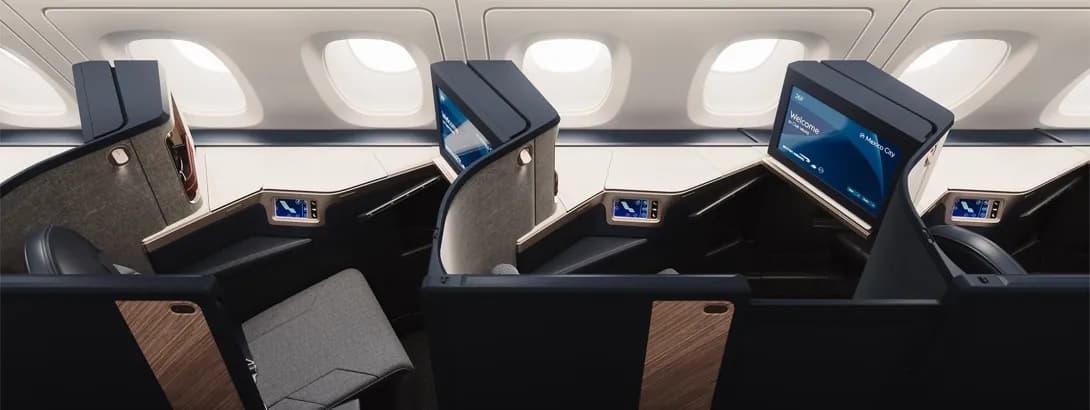
What this means for Avios trip planning: Don’t judge a redemption purely by how quickly it gets you from A to B. Reward availability can open up unusual routings, stopovers, and destinations you might never have searched for in the first place. Sometimes the more interesting trip starts with the seat you happened to find.
89% of Millennials and Gen Z surveyed say it’s important to leave room in their itinerary to enjoy local snacks. Street food and food carts are the top destination for local food according to 69% of global respondents, followed by bakeries at 53% and grocery stores at 50%. That last figure connects to what has been separately identified as grocery shop tourism: visiting supermarkets and local markets to understand daily life. Walking the aisles of a Japanese convenience store, or a Turkish bazaar, or a Lidl in Portugal, turns out to tell you more about a place than most museums.
The best food destinations in the world for snackpacking are not always the ones that get the Michelin coverage. A bag of pasteis de nata from a Lisbon bakery at 7 am, a cone of takoyaki from an Osaka street cart, or a mortadella sandwich from the oldest stall in Bologna's Quadrilatero market - none of these requires a reservation or a tasting menu budget. The things to do while travelling do not always need a booking reference.
What this means for Avios trip planning: One of the strongest arguments for using Avios on the flight is that it frees up cash for exactly this kind of travel on the ground. You don’t need a two-hundred-pound tasting menu to eat well. You need time and appetite.
Luxury Is Becoming More About Access
Sometimes, just getting the restaurant owner at a place on your wishlist to agree to serve you a hot plate after closing feels like you've got it made. The luxury travel trends of 2026 are about access: to places, to people, to experiences that aren’t easily replicable. This is a shift that travel data research has been tracking for several years, but 2026 is the year it feels like the mainstream has caught up.
In short, travellers are becoming pickier about what’s worth paying for. Experiences that feel personal, rooted in the place and hard to copy elsewhere are the ones that stick. Luxury travel is starting to look less like spending bigger and more like spending smarter, with the money going towards the moments you will still be talking about years later.
We’ve become very good at planning holidays down to the last restaurant reservation. So much so that even the slightest deviation, like an unexpected loo break, can cause stress. The irony is that one of the most interesting travel trends of 2026 is the decision to leave some of the itinerary deliberately blank.
87% of global respondents in the Amex research say they like to leave room in their itinerary for unexpected local discoveries. 82% of Millennials and Gen Z say they’re likely to do something completely out of the ordinary while travelling if it makes a good story.
The best travel memories rarely come from following the plan to the letter. It’s usually the detours that turn into memories. The museum was closed, so you found a tiny café around the corner, or the time you stopped in a small town for petrol and liked it so much you stayed for two days.
After all, if Odysseus ended up spending seven years on Calypso’s island, who are we to complain? It might be terrible for the itinerary, admittedly, but you can't beat the story you get out of it.
What this means for Avios trip planning:Set an RFF Alert rather than a rigid itinerary. Reward Flight Finder lets you track availability on specific routes and dates, so you can move when seats become available. The flexibility itself is part of the value.
What These Trends Mean for Avios Collectors
The biggest travel trends of 2026, including the luxury travel trends reshaping how people think about premium cabins and high-end experiences, share a common thread: they’re about being more deliberate with time and money. That’s a philosophy that maps neatly onto Avios trip planning.
You're in good company if you follow these rules, just saying. After all, Odysseus would have been a natural Avios collector. He was nothing if not strategic about the journey.
Affiliate Disclaimer
Reward Flight Finder (RFF) may receive a commission if you book or purchase through some of the links on this page. This does not affect the properties or services we feature or how they are presented.
We aim to provide accurate and up-to-date information, however, prices, availability and terms change frequently. You should always check the official website of the property or provider directly for current prices and booking terms before you book.
 Simon