The best Italian villa holidays: Where to stay and how to get there with Avios
 Simon
16 Aug 2026
Last Updated: 04 Nov 2026
Avios Destinations
Search for pages and actions
SimonLast Updated: 04 Nov 2026
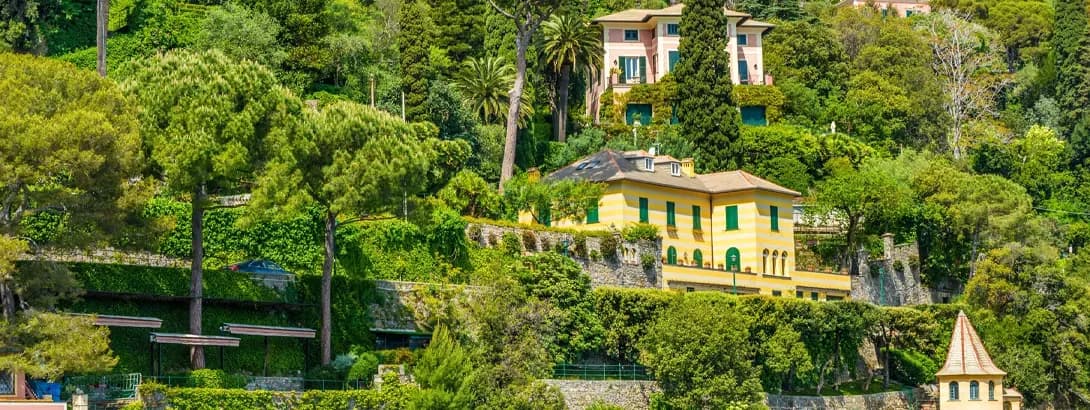
Italy is always a good idea. Italy with your own pool, a fridge full of local food, and no hotel breakfast deadline, is even better.
The harder decision is choosing where to go. Several of Italy’s regions make excellent villa destinations, but they suit very different holidays. In this blog, we’ll help you decide whether your family needs vineyards, beaches, easy entertainment or a terrace with a view worth blowing the budget for.
The obvious advantage is space. Children have somewhere to play, adults can stay up after bedtime, and no one will need to use the bathroom as an emergency reading room. Separate bedrooms give everyone some privacy, while the kitchen and living areas are somewhere to gather when you’re feeling sociable. That balance becomes increasingly valuable as the holiday goes on. Sharing a hotel room may be manageable for a weekend, but even the happiest family will begin researching earlier flights home by night six.
Never compare the price of a villa with the price of one hotel room. Compare it with all the rooms your group would need. A four-bedroom villa may look extravagant until the cost is divided between two families, grandparents or a group of friends. Preparing breakfast and the occasional dinner at home can bring the total down even more. It also saves you from paying restaurant prices for a child who intends to eat three chips.
But villas are not always cheaper. August, coastal locations and private pools can push prices upwards. Work out the cost per bedroom and per person, then compare it with the hotels you’d realistically book.
The private pool settles the argument for many families. Children can spend most of the day in the water while adults read nearby. There are no opening hours or crowded changing rooms. There’s also no audience when your inflatable flamingo refuses to cooperate.
Check the safety arrangements of the villa before booking a family holiday to Italy if you’re travelling with young children. Look for a fenced pool, a lockable gate or a secure cover.
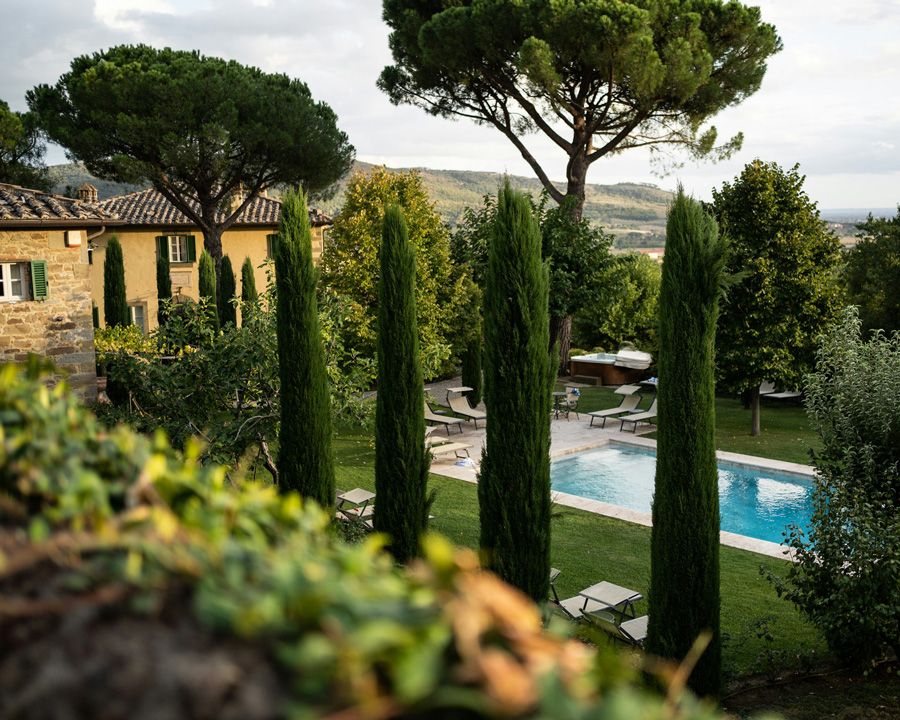
A villa kitchen is a must, even if no one plans to prepare a six-course Tuscan feast. Stock it with familiar food for younger children, buy bread from the local bakery and keep something easy for evenings when another restaurant meal feels like work.
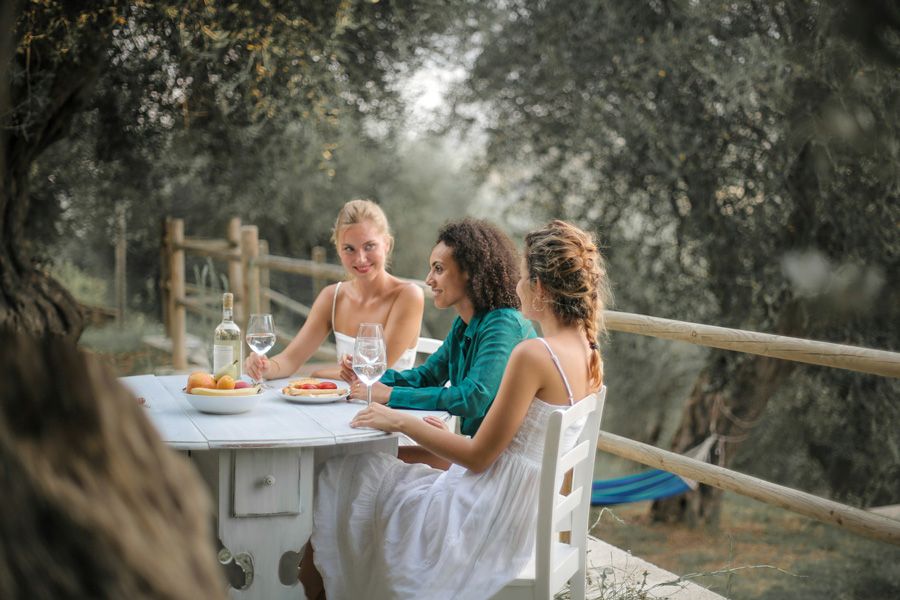
The best villa meals are always the simplest: tomatoes, warm bread, local cheese, and something cold to drink on the terrace. Add a pizza night or barbecue, and you won’t miss the hotel buffet. You can still eat out as often as you like. The difference is that dinner happens because you want it to, not because the half-board package has summoned you downstairs.
There are no fixed breakfast times, housekeeping schedules or dress codes. A slow morning doesn’t mean missing anything, and lunch can last until everyone loses track of the time.
That freedom is essential for multigenerational groups. Some people can visit a hill town while others stay beside the pool. Grandparents can rest without having to return to a separate hotel, and families can regroup for dinner later.
Villas usually get associated with large family holidays to Italy, but you don’t need twelve relatives and a milestone birthday to justify one. The right property can work for families, groups of friends or two people who simply prefer their own pool.
A villa gives children room to play and parents somewhere to relax without sitting silently beside a hotel bed. Extra bedrooms make bedtime easier, while a kitchen solves the familiar problem of finding food for a child. Private outdoor space also makes slower days feel like part of the holiday. If nobody wants to leave the pool, nobody has to.
Do not assume every villa is child-friendly, though. Check the stairs, pool access and whether cots or high chairs are available. It’s a good idea to find the nearest supermarket, pharmacy and medical centre before booking. A remote farmhouse sounds idyllic until a child needs Calpol at 10 pm.
Villas work especially well when grandparents, parents and children are travelling together. Everyone stays under one roof, meals become shared occasions, and childcare may even be volunteered by somebody other than you.
They’re also a natural choice for birthdays and anniversaries. Look for a large dining table, enough bathrooms and communal areas where the whole group can gather without arranging the furniture like a puzzle. Check for ground-floor bedrooms and bathrooms if anyone has limited mobility. Ask about the steps between the parking area, the house, the terrace, and the pool as well. A beautiful medieval staircase loses some of its romance when it must be climbed six times a day.
If you’re planning wine tastings, cycling or walking trips with friends, a villa gives the group a shared base without requiring every waking hour to be spent together. It can also put cooking classes and food tours within easy reach, depending on the region.
Dividing the cost makes larger properties easier to justify, but inspect the bedroom plan before agreeing to split everything evenly. “Sleeps ten” may mean four proper bedrooms, one sofa bed and a friendship being tested in the corridor.
Villas aren’t reserved for family reunions. Italy has plenty of smaller properties, including converted farmhouses, countryside cottages and traditional trulli in Puglia. A one-bedroom villa with a pool can provide the privacy of a luxury hotel at a price that doesn’t require recruiting 14 acquaintances to fill the spare rooms. It also means the terrace, the kitchen, and the last bottle of wine are entirely yours.
Italy gives villa hunters an inconvenient amount of choice. Tuscany has the vineyards, Puglia has the beaches, and the Amalfi Coast has views capable of weakening even a very sensible budget. The right region depends on the type of holiday your family wants. Here are our top picks based on your needs:
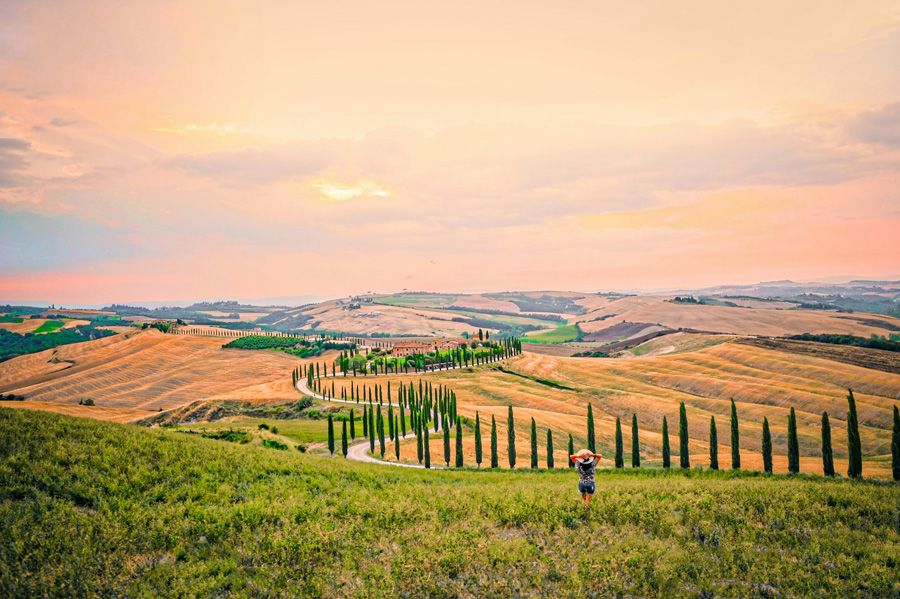
Tuscany is the villa holiday most people picture before they’ve even opened the search tab. A stone farmhouse sits among vineyards and olive trees, and the pool looks across rolling hills.
It’s easy to divide this region between sightseeing and doing very little. You’ll find the art and architecture in Florence and Siena, while Chianti takes care of the wine. And you can look towards the Val d’Orcia for the full collection of cypress-lined roads and honey-coloured hill towns.
Find available reward seats with British Airways and Iberia.

There’s a massive number of converted farmhouses and larger countryside properties, so there’s sure to be room for grandparents or a second family. The children can spend the afternoon in the pool while the adults turn bread, cheese and tomatoes into a meal.
You’ll usually need a car hire. Most of Tuscany’s appeal is outside its larger cities, and public transport will not deliver you neatly to a farmhouse at the end of a country lane. The roads are often single-carriageway, so a short distance on the map may take longer than expected.
Check the villa’s exact location before booking. Listings sometimes cover a surprisingly generous interpretation of the word “near.” Look up the driving time to the closest supermarket, restaurant and village, as well as the places you plan to visit.
Florence Airport is a good option for British Airways flights to Tuscany if you’re headed to northern or central Tuscany. Pisa is great for western Tuscany and the coast, and it can also serve the wider region if reward availability is better. The two airports are about an hour apart by car, so search both before spending extra Avios or cash for the one with the prettier name.
Best for: families who want food, wine and sightseeing, with enough pool time to ensure the holiday still feels like a holiday.
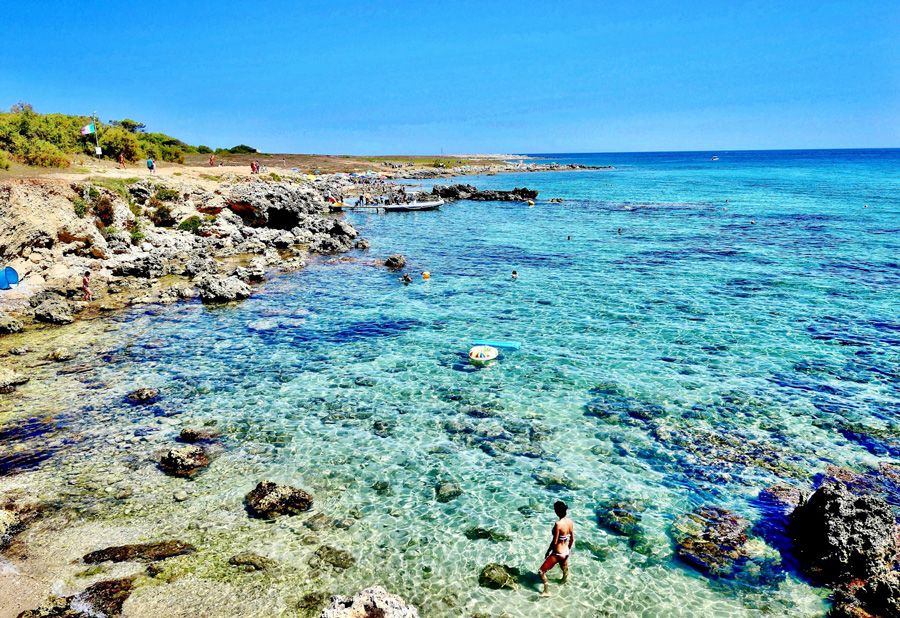
Puglia is for families who want their villa holiday with a side of sea. The region runs down the heel of Italy, with the Adriatic on one coast and the Ionian on the other. Between them sit olive groves, whitewashed towns, and enough good food to make self-catering feel like a pleasure.
The Valle d’Itria is the classic villa base. Alberobello is famous for its trulli, the round stone buildings with conical roofs that look as though they were designed for a tasteful fairy tale. You’ll find them scattered through the countryside around Locorotondo, Cisternino and Martina Franca, many now converted into holiday homes with gardens and pools.
Larger families should also look at masserie. These former farmhouses have more bedrooms and generous outdoor areas, with enough space for children to play and adults to avoid joining in. Some sit among olive groves, while others are close enough to the coast for an easy beach day.
Puglia works best when the family wants a mix of pool days and outings. Spend the morning at the beach, return to the villa when the heat picks up and head into a whitewashed town for dinner once everybody has recovered. It’s an easy routine to settle into.
Choose the villa before deciding which airport to use. Bari serves the northern and central parts of the region, while Brindisi is usually more convenient for southern Puglia and the area around Lecce. The Valle d’Itria sits between them, so search both for reward seats and compare the final drive. Puglia is long and narrow, and choosing the wrong airport can add a lot of motorway to the first and last days.
A hire car is useful once you leave the main towns. Check the villa’s distance from the coast carefully. Some stretches are sandy, others are rocky, and many popular beaches have paid lidos where sunbeds need to be booked during summer.
Best for: families who want proper beach time without spending the entire holiday inside a resort.
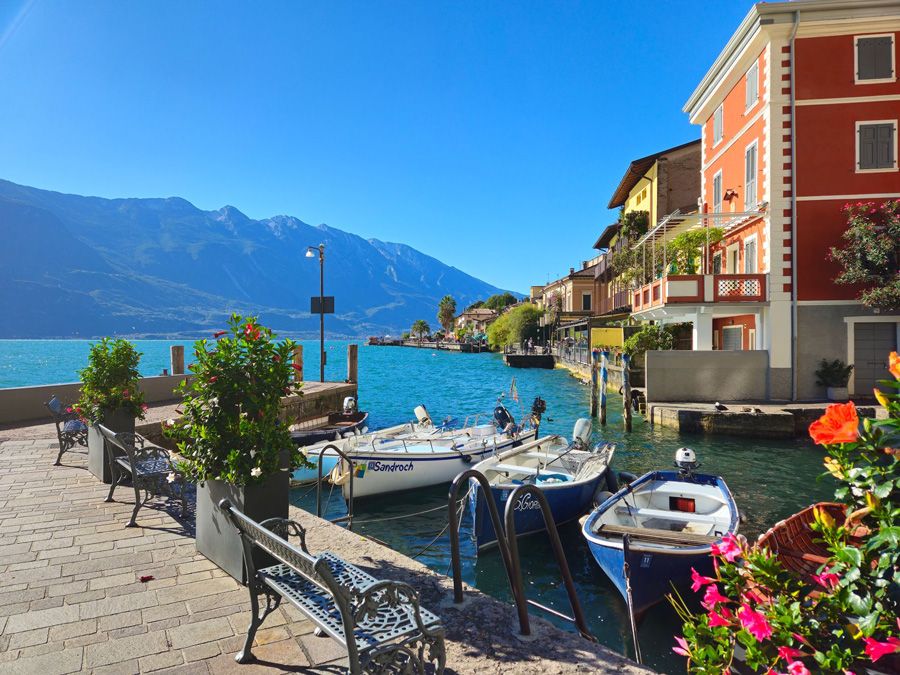
Lake Garda is a great choice for families who like the idea of a villa holiday but suspect the children will tire of admiring the view before the adults have opened the first bottle of wine.
The lake is lined with handsome towns, beaches and waterfront promenades. You can take boat trips between villages, swim, try watersports or spend an afternoon doing very little beside the water.
There are theme parks and other family attractions nearby when another pool day begins to test family relations. Verona also makes an easy day trip from the southern end of the lake, with enough Roman history for the adults and enough gelato to keep the kids interested.
The south is generally the most convenient base for families planning to visit Verona and the theme parks. The north feels more dramatic, with mountains rising around the lake, and is great for sailing, windsurfing and active days outdoors. They’re quite different holidays, so decide which version of Garda you want before falling for a villa.
There are several possible arrival airports, including Verona, Milan and Venice. Don’t assume they’re equally convenient. The lake is much larger than it appears on a map, and reaching the opposite shore can take longer than expected. Check the actual driving time to the villa before booking your Avios flights to Italy. A bargain seat in the wrong airport feels rather less clever from the back of a summer traffic jam.
Traffic around the lake can be heavy during the school holidays, especially near the busier southern towns. Choose a villa close to the places you expect to visit.
Best for: families with younger children, or teenagers who consider three consecutive days beside a private pool a serious lack of entertainment.
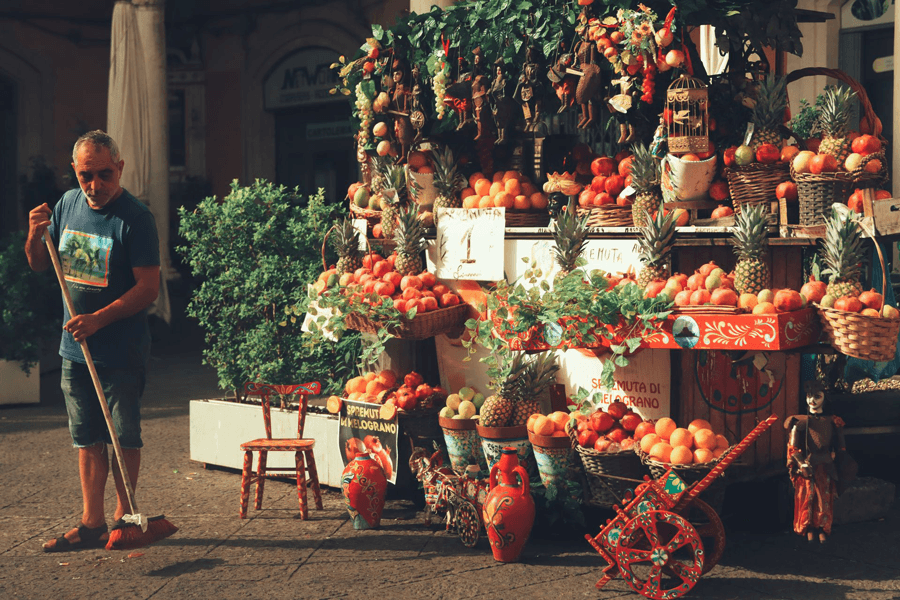
A Sicilian villa gives you somewhere lovely to do nothing, surrounded by reasons to do quite a lot. There are beaches, historic towns, Greek temples, Roman ruins and Mount Etna. The food alone could keep a family itinerary busy.
The island can also give you more villa for your money than Tuscany or the Amalfi Coast. Larger groups will find countryside farmhouses and coastal properties with plenty of space, often without the price tag attached to Italy’s most famous villa regions.
Choose the right side of Sicily. Catania is the better airport for Mount Etna and the east, including Taormina and Syracuse, while Palermo makes more sense for the north and west. Decide where you want to stay first, then look for reward flights.
Sicily is much bigger than first-time visitors expect, and journey times away from the motorways can be slow. Trying to cover the whole island in a week turns a holiday into a road trip. Choose one area and explore it properly. The other half will still be there next time.
Best for: families who want history and days out alongside their pool time, preferably with something excellent waiting for dinner.
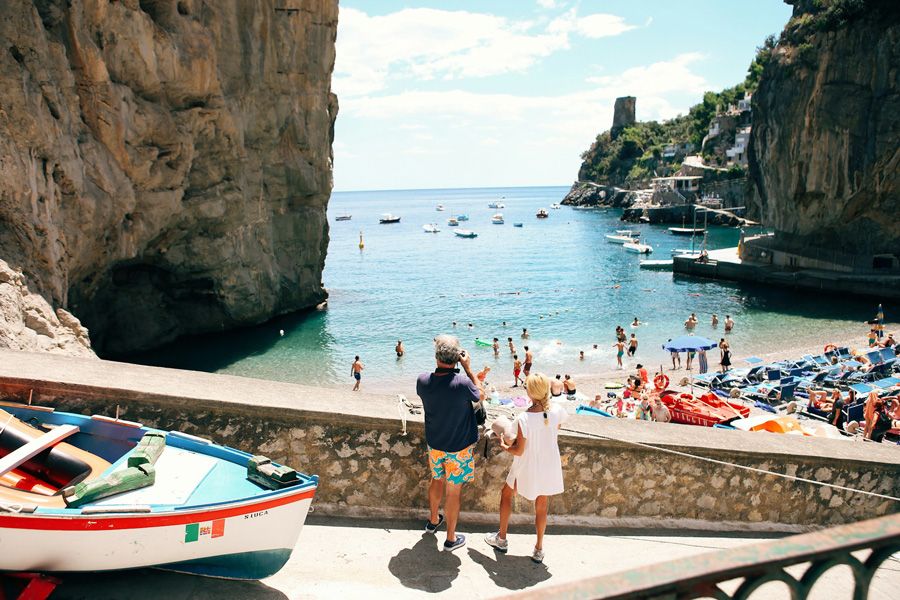
This is not the budget end of the Italian villa market. Elegant properties with large terraces and uninterrupted sea views can be eye-wateringly expensive, especially in summer. Split between several adults, though, the right villa can make sense for a birthday, anniversary or family celebration. It’s best for couples and adult family groups who’re unlikely to judge the holiday by the size of the nearest theme park.
Naples is the main arrival point and can be added to the beginning or end of the trip. Pompeii is within reach, and Capri makes a tempting day out by boat. You’ll need to resist turning every possible excursion into a compulsory family activity. Sometimes the expensive villa terrace should be enjoyed.
Getting around requires some planning. The coastal roads are narrow, busy and unlikely to bring out your most relaxed driving style. A private transfer may be worth the money, especially if no one in the group has volunteered to negotiate hairpin bends as a bus approaches from the opposite direction.
Check the villa’s access details just as carefully as its photographs. Families travelling with pushchairs, heavy luggage or relatives with limited mobility should ask direct questions before booking BA reward flights to Naples.
Best for: couples, celebrations and families willing to pay handsomely for the view.
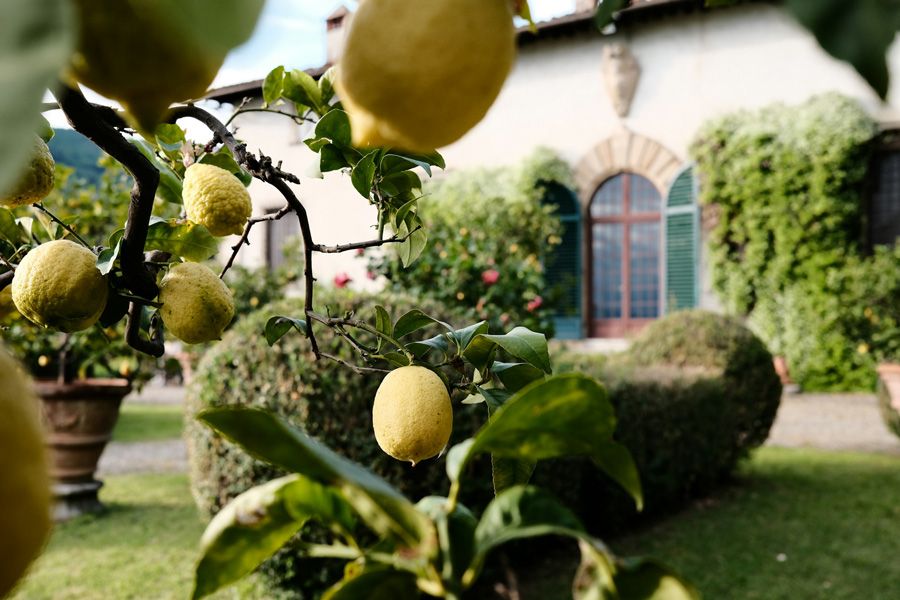
May and June are lovely if you can travel outside the school holidays. The days are warm, and the busiest towns haven’t yet filled up. One warning: an unheated pool in May can be rather bracing.
July and August are the obvious months for families with school-age children. They’re also the busiest and most expensive. Good villas go early, as do reward flights on popular routes, so this is not the trip to organise at the last minute.
September is worth considering. The sea is warm, the summer rush is fading, and much of Italy still enjoys excellent weather.
October is a better bet for reward flights to Sicily or Puglia than farther north. Check whether the pool is heated and whether nearby restaurants and attractions are still keeping full-season hours.
Villa listings can be generous with geography. Put the exact address into Google Maps and check:
A car is usually essential in the countryside. Make sure the boot can hold everyone’s luggage, reserve child seats in advance and confirm that the villa has parking. Automatic cars often cost more, so compare prices early. Be honest about narrow lanes, too. Choose a better-connected villa if nobody fancies driving them. Transfers on the Amalfi Coast may be kinder to both your nerves and the hire car’s paintwork.
“Thick stone walls keep the house naturally cool” is not quite the same as air conditioning in August. Ask which rooms have it. Some villas cool the bedrooms but leave the kitchen and living areas to fend for themselves.
“Private pool” leaves several useful questions unanswered:
These details matter much more when travelling with young children.


Italy is well connected from London with British Airways, but the best airport is the one closest to your villa, not necessarily the one with the name you recognise first.
The best pairings are:
BA also flies to Rome and several other Italian cities, although some routes are seasonal. Check the timetable for your dates and compare the full journey to the villa before booking.
Reward seats to popular Italian airports can go quickly during the school holidays. Start looking early, set RFF Alerts for suitable routes and remain open to a nearby airport if the drive still makes sense.
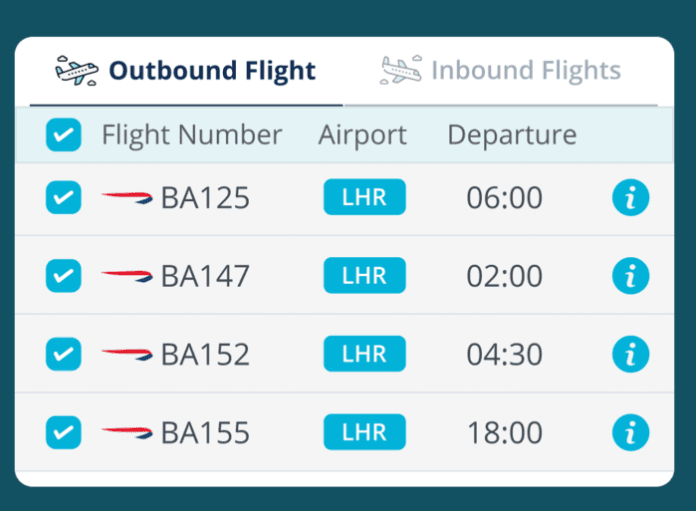
Off-peak Economy Avios flights to Italy from London start at 20,000 Avios plus £5 per person return. That’s the lowest cash option. BA usually gives you several ways to split the fare between Avios and cash. The exact price will depend on the route, travel date and combination you choose. Put your journey into the RFF Avios Calculator to see what it should cost before transferring points or making plans.
Family bookings require a different approach. You’re not looking for one spare seat. You may need four or six of them on the same aircraft. Start searching as soon as your dates enter BA’s booking window. Reward Flight Finder can show BA reward-seat availability up to a year in advance and compare destinations.
Find available reward seats with British Airways and Iberia.
Airport flexibility can do more for a family than searching the same route every morning and hoping four seats suddenly appear. Once you find flights that work, secure them before paying a non-refundable villa balance.
An open-jaw trip means flying into one airport and returning from another. It can save a long drive back to your starting point, especially if you plan to explore rather than stay in one villa for the whole holiday. You might fly into Pisa and home from Rome, for example. Catania in and Palermo out in Sicily can work well for a longer trip. Venice and Milan make another good pairing around northern Italy.
Price the car hire before committing. One-way rentals are often possible, but the drop-off charge may turn a clever itinerary into an expensive one.
Always check the reward flights before choosing the villa. Compare nearby airports, find enough seats for everyone and let availability decide the dates where possible. Once the flights, bedrooms and pool are sorted, the most difficult decision left should be who is going out for fresh bread.
Affiliate Disclaimer
Reward Flight Finder (RFF) may receive a commission if you book or purchase through some of the links on this page. This does not affect the properties or services we feature or how they are presented.
We aim to provide accurate and up-to-date information, however, prices, availability and terms change frequently. You should always check the official website of the property or provider directly for current prices and booking terms before you book.