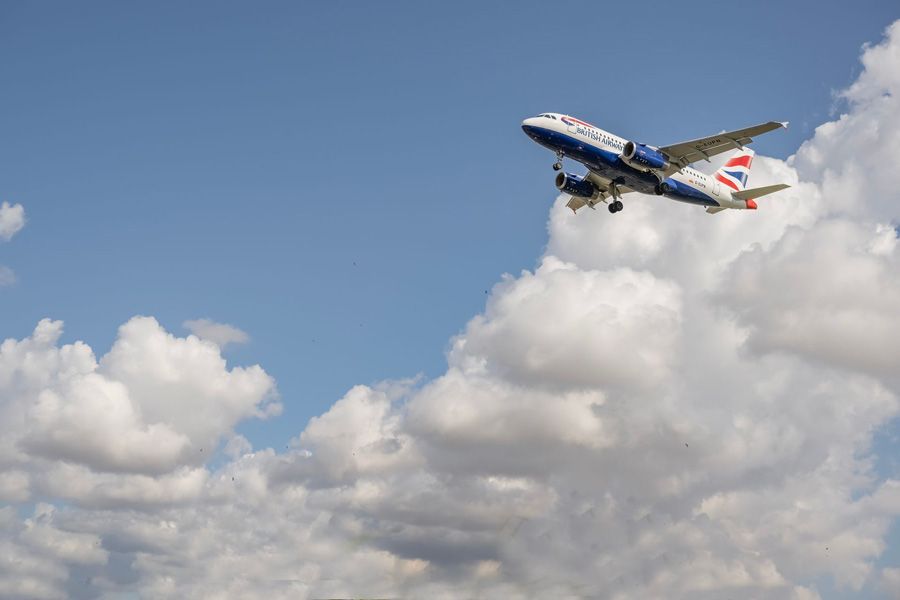
Outbound flight BA33 is scheduled to leave Heathrow from 9 January 2027. Return flight BA34 is due to begin departing Melbourne from 11 January 2027.
The Kuala Lumpur stop
The service is planned to continue between London and Melbourne using the same aircraft, with an intermediate stop in Kuala Lumpur.
Planned aircraft
A four-cabin Boeing 787-9 Dreamliner.
Cabins
First, Club World, World Traveller Plus and World Traveller.
Reward flights
BA says its flights to and from Heathrow carry a guaranteed minimum of eight Economy, two Premium Economy and four Business Class reward flights when flights are released for booking. Availability on a particular date or in a particular cabin can nevertheless sell out.
The important detail is Kuala Lumpur. BA describes this as a same-aircraft service, meaning the planned journey will continue from Heathrow to Melbourne on the same Boeing 787-9 after stopping in Malaysia. Passengers should still expect an intermediate stop; these are not nonstop flights to Melbourne from London.
Search BA Reward Seat Availability
Find available reward seats with British Airways and Iberia.
Passenger
1
Why Melbourne Deserves Your Avios
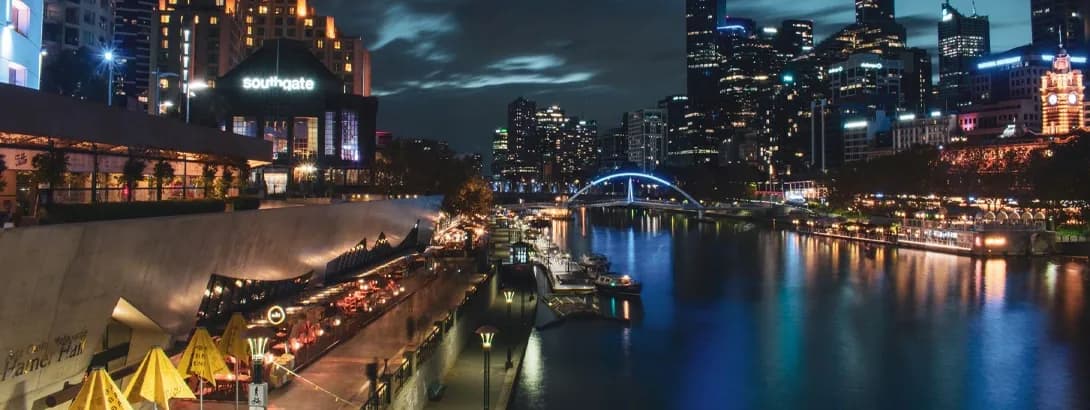
Sydney may have the instantly recognisable harbour, but Melbourne makes you work a little harder for its charms. Often described as Australia’s cultural capital, it’s best explored without too much of a plan. Here are five reasons why you should visit and the best things to do in Melbourne:
Coffee Worth Crossing Continents For
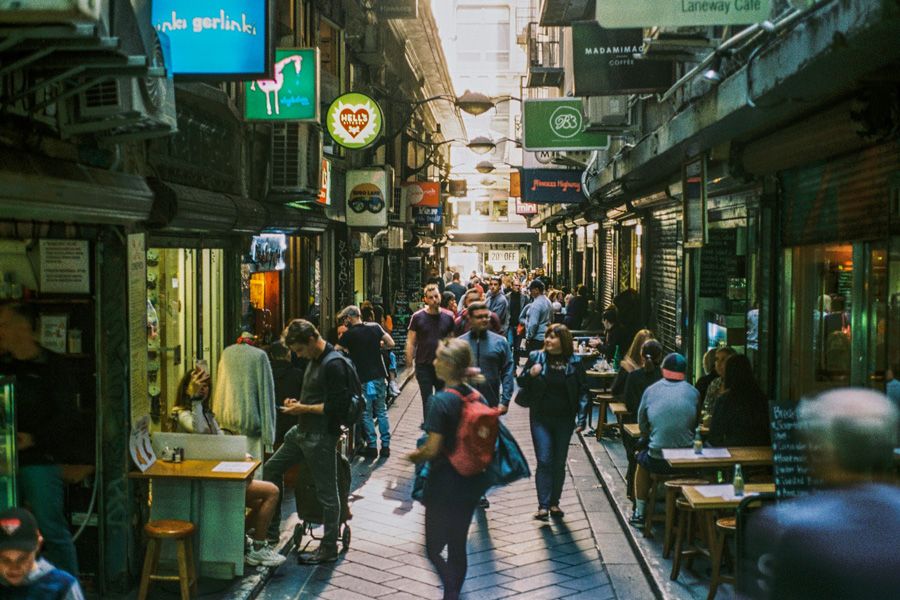
Coffee might seem like a convenient delivery system for caffeine in other parts of the world, but here it’s a ritual and, occasionally, a subject of very serious conversation. The city’s independent roasters have helped shape that culture by sourcing single-origin beans and creating house blends for cafés across Melbourne. Locals’ preference for independent venues is so strong that even the city’s official tourism site acknowledges its reputation for coffee snobbery.
Some of the city’s best espresso bars are hidden within the CBD’s tangle of lanes and arcades. Don’t follow enormous signs and identikit chains: the Melbourne method is to follow the smell of ground beans down a narrow passage. Fitzroy and Carlton are especially popular with coffee lovers.
Resist the urge to arrive with a colour-coded spreadsheet of “must-visit” cafés. Half the fun is finding the tiny espresso bar down an unlikely-looking passage. Start in the laneways, wander beyond the CBD, and allow time for a second cup.
Laneways, Galleries and After-dark Culture
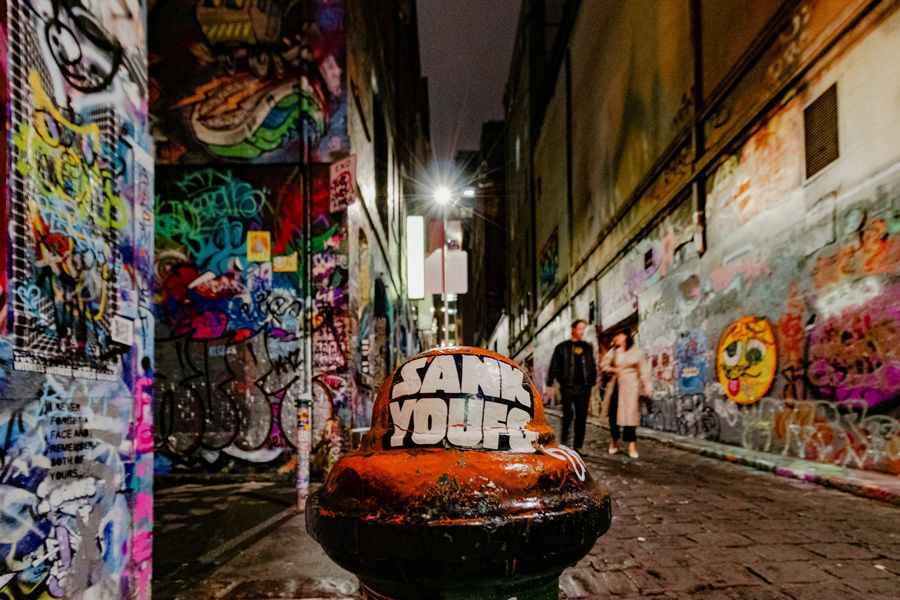
Turn down a lane that looks least promising, and you may find a wall covered in new artwork, a tiny cocktail bar, or a restaurant hiding behind a door with all the visual appeal of a fire exit. Hosier Lane gets most of the attention, but AC/DC Lane, Tattersalls Lane, and Union Lane are also worth checking out. Go early if you want a relatively peaceful look at Hosier Lane; you may see more phones than murals later in the day. The artwork keeps changing, so it’s worth returning even if you’ve been before.
The older arcades are a complete change of mood. The spray paint gives way to mosaic floors and little shops. There’s a 2.4-kilometre walking route through the central lanes and arcades, but allow longer than the suggested two hours. You will be distracted.
You can choose your own level of sophistication after dark. The East End Theatre District has six major theatres featuring musicals, comedy, opera, dance and live music. You can dress up, order a pre-theatre drink and behave like an adult for several consecutive hours. Or you can skip the chandeliers and follow a staircase into one of Melbourne’s small bars, live-music rooms or listening bars. Many of the best places are tucked above shops, below street level or behind unhelpful doors. If you find yourself saying, “Surely this can’t be it,” there is a decent chance that it is.
Markets, Neighbourhoods and a Very Good Appetite
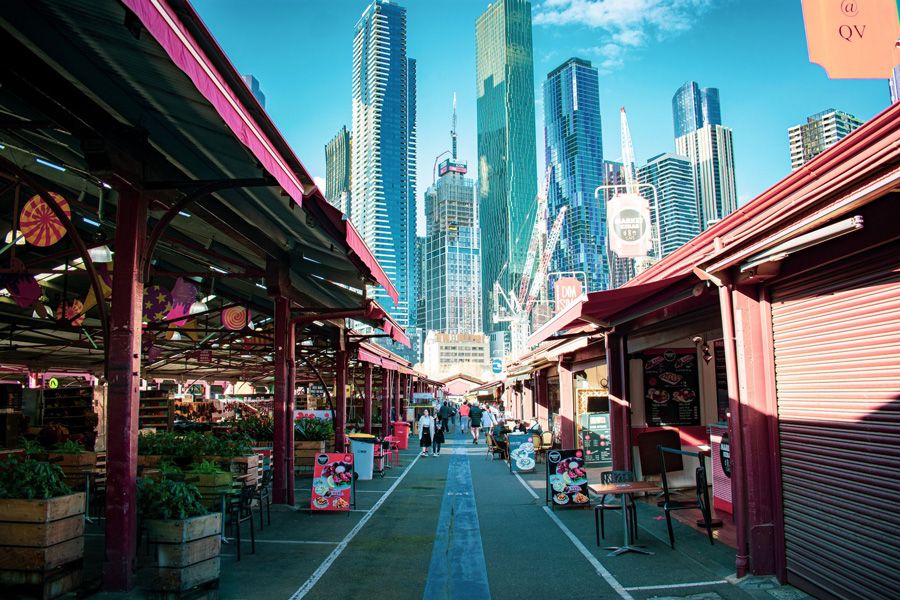
Come to Melbourne hungry. Start at Queen Victoria Market, which has traded since 1878 and remains the largest open-air market in the Southern Hemisphere. Browse the fruit and vegetables, delis, bakeries and food stalls, but don’t make the rookie mistake of eating breakfast beforehand. The hot jam doughnuts from the American Doughnut Kitchen’s silver van are a long-running market tradition, best eaten immediately and with complete disregard for the sugar now covering your clothes.
Next, head to Carlton and Lygon Street, the historic heart of Melbourne’s Italian food culture. This is the place for pasta, pizza, espresso, and gelato that makes choosing one flavour feel extremely difficult. Lygon Street has lots of newer arrivals alongside its old-school institutions, so look beyond the first menu waved in your direction and take time to wander.
Do make time for Footscray. Vietnamese, Chinese, Indian and North African food all sit within a relatively small area, so it’s a good place to arrive without a firm plan. Follow lunch with a browse through Footscray Market, opposite the station, where the stalls run from fruit, meat and seafood to lotus flowers and cassava root.
Sport on a Grand Scale
Melbourne is a sports city in the truest sense: people go to matches, talk about matches, and keep talking about them long after everyone has agreed to change the subject. Even if you arrive without a team, you may leave with one.
If you prefer your sport louder and considerably faster, the Formula 1 Australian Grand Prix takes over Albert Park. The circuit is around four kilometres from the CBD, so race weekend spills into the city. The exact 2027 dates have not yet been confirmed, which makes this one to watch before fixing your travel plans.
Then there is Australian rules football, or “footy”, unless you want to announce yourself as newly arrived. The MCG stages at least 45 AFL home-and-away games each year, plus finals, and Collingwood, Hawthorn, Melbourne, and Richmond play most of their home matches there. The MCG holds 100,024 people, yet on a big match day, it can feel as though half of Melbourne is still outside. The annual AFL Grand Final can draw a crowd of around 100,000, so this is not the occasion for casually checking ticket availability.
The same ground swaps football boots for cricket whites in summer. The Boxing Day Test is a Melbourne institution, and the MCG also hosts other international and domestic matches.
Beaches, Gardens and Breathing Space
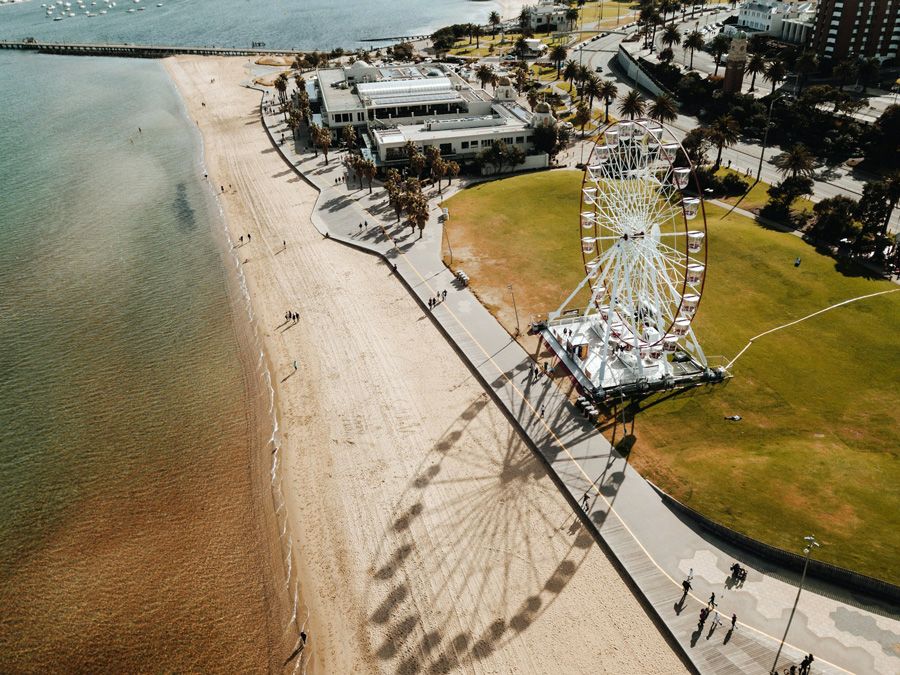
Melbourne is not a beach city in the Sydney sense. Nobody is going to confuse Port Phillip Bay with Bondi. But its bayside neighbourhoods do the job nicely when you need a break from the city.
St Kilda is the obvious place to begin. Walk out along the pier for views across the bay and back towards Melbourne, then continue along the foreshore as the light starts to soften. The pier also has a heritage kiosk rebuilt to its original 1904 design, should your peaceful coastal stroll require coffee and cake.
Stay until evening, and you may see St Kilda’s little penguins returning to the breakwater. There is now a purpose-built viewing platform, with two free sessions held each night. Places are limited and advance booking is essential, so this is one bit of spontaneity best organised beforehand.
The new platform keeps visitors away from the nesting areas, and that boundary is important. Don’t use flash, climb onto the rocks or attempt to improve the penguins’ evening with a closer encounter. They have made it home from the sea without your assistance.
If St Kilda feels busy, keep walking along the bay. Melbourne’s quieter coastal side appears once the pier, cafés and crowds begin to fall behind. There is no landmark to tick off here. You’ll just experience water, sky and the novel pleasure of having nowhere urgent to be.
Back near the centre, the Royal Botanic Gardens are another place to slow down. Birdlife around the lake includes coots, cormorants, and swans, although the swans have yet to demonstrate any respect for personal space or picnic ownership. The gardens are easy to combine with the Shrine of Remembrance or an event at the nearby sporting precinct. Check the opening hours before visiting, as they can change for seasonal events.
Best Day Trips from Melbourne
Melbourne can fill a long weekend without breaking a sweat, but flying all that way for three nights feels a bit of a waste. If you can, give yourself at least a week and use some of it to see Victoria beyond the city.
The four obvious additions are the Great Ocean Road, the Yarra Valley, Phillip Island, and the Dandenong Ranges. You don’t need to squeeze in all four. Pick the one or two that suit the way you like to travel.
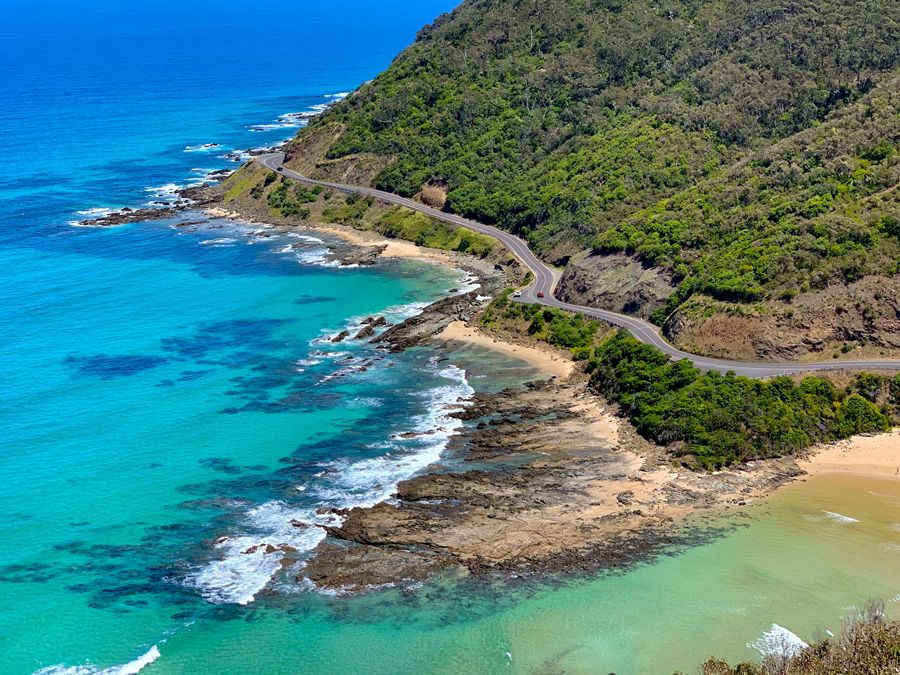
Great Ocean Road: stay overnight if you possibly can
It’s possible to visit on a day tour from Melbourne, but be prepared for a long day. The Twelve Apostles are roughly a four-hour drive from the city, and that’s before stopping for views, lunch or the inevitable photograph of a photogenic stretch of road.
The Yarra Valley is less than an hour from Melbourne and is known for its food, wine and countryside. It’s the easiest of these four escapes to turn into an unhurried day trip.
Do not try to collect cellar doors as though they were Tier Points. Two or three tastings, with a proper lunch in the middle, make a much better day than racing between six wineries while checking the time. Book lunch and tastings ahead, especially at weekends, then leave some space in the schedule for local cheese, chocolate or whatever else ruins your plans in the nicest possible way.
Because the main event is after sunset, you will return to Melbourne late. Take an organised coach tour if you would rather not drive unfamiliar roads in the dark. Hire a car if you want the freedom to explore more of the island during the day, or stay overnight to avoid the late-night drive.
Dress more warmly than Melbourne’s daytime weather suggests. You will be sitting outside beside the water after sunset, and the penguins have the considerable advantage of built-in insulation.
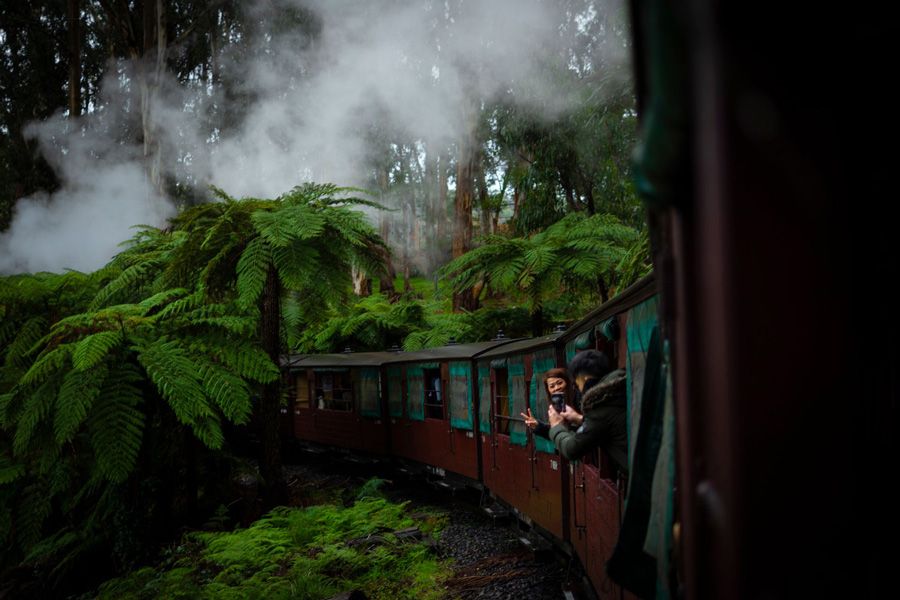
Book the train before travelling out. Puffing Billy is popular enough that tours encourage early reservations, with tickets sometimes bookable weeks ahead. Reserving a specific journey first also tells you exactly when you need to reach the station; much easier than arriving in the hills and discovering the train has left without you.
Make a day of it. Pair the ride with a forest walk, a village lunch or both. The Dandenongs work well for families, non-drinkers and anyone who wants greenery without committing to the Great Ocean Road’s much longer drive.
No desire to drive: all four can be visited on organised tours from Melbourne, although the Great Ocean Road will be a really long day.
The only wrong choice is attempting all four in four days and returning home with 700 photographs, no clean clothes and a detailed knowledge of Victorian service stations.
There’s no single bad time to visit, but there are bad times to begin searching for reward seats. Christmas, New Year and major-event weeks bring extra competition for flights and hotels.Book as soon as BA releases the seats if those dates matter. If they don’t, shifting the trip by even a week or two may give you more options.
Here’s what to expect based on time of year:
December to February
Summer is Melbourne at full volume. The tennis is on, international cricket fills the MCG, and the beaches and rooftop bars are busy. January’s average daily maximum is about 26°C, but that figure hides the occasional scorcher. Melbourne reached 39.8°C on its hottest day of 2025, so pack for heat without assuming every day will be hot. A light jacket may still earn its place in the suitcase.
Autumn is hard to beat if you want comfortable sightseeing weather without January’s full festival of demand. March’s average maximum is about 24°C, falling to around 17°C in May. It’s a good season for walking the city and taking road trips.
Check the event calendar before choosing dates. Search early if you’re coming for Formula 1. If not, avoid the race weekend and let the drivers have the expensive hotel rooms.
Come in autumn if: you want the best balance of weather, events and regional touring.
Avios approach:search early for March and major-event dates. April and May may offer more flexibility once the busiest weekends are avoided.
June to August
Winter is cool rather than brutally cold. Average maximum temperatures are around 14°C in June, 13°C in July, and 15°C in August. Rain is possible.
Come in winter if: your priorities are food, art, live music and AFL rather than beaches.
Avios approach:compare several weeks rather than one fixed weekend. Use any Avios savings to justify another very good dinner.
September to November
Spring is a lovely time to be nosy on foot. Gardens come back to life, outdoor dining becomes more appealing, and the calendar includes sport, theatre and live music.
Temperatures rise through the season: average daily maximums move from about 17°C in September to 22°C in November. The catch is variability. One recorded Melbourne spring included both an 11°C day and a 37°C day, which is why locals tend to carry layers and a certain emotional detachment from forecasts.
Spring is especially good for the Great Ocean Road, the Yarra Valley, and the Dandenong Ranges, as milder conditions make long days outside easier. It can also be a good Avios compromise: livelier and warmer than winter, without the Australian Open and Christmas rush.
Come in spring if: you want city time and regional day trips in the same holiday.
Avios approach: try September and October first if availability matters most. Expect November demand to build as the Australian summer approaches.
The short answer
Choose autumn or spring for the best overall trip. Choose January for sports and summer atmosphere, but book the moment seats become available. Start with winter for the greatest flexibility.
The trick is to start early and let the reward seats shape the trip. Search 355 days ahead, move your dates where necessary and book when the right combination appears. Melbourne reward flights may take some patience, but the city will make them worth the wait.
Affiliate Disclaimer
Some links in this article are affiliate links. If you make a booking or purchase through them, Reward Flight Finder may receive a commission at no extra cost to you. Our recommendations remain editorially independent.
 Kayleigh