Search for pages and actions

Last Updated: 22 Sep 2026
It’s the first thing most people want handed to them before they’re ready to take on the world, and often the last thing they nurse as they wind down for the day. Coffee is considered by many to be a wonder drug, worthy of worship, even, as it was in some civilisations. And while that may sound far-fetched, make sure not to say that in front of a coffee lover.
Legend has it that the musical genius Beethoven counted exactly sixty coffee beans for every cup he made. True or not, it captures something coffee lovers will understand: a great cup is worth obsessing over. And it’s increasingly inspiring travel, too, as more people plan holidays around celebrated cafés and local coffee traditions.
In this article, we explore the growing trend of café culture in travel and the destinations that deserve a place on every coffee lover's itinerary.

We’ve all sipped a cup of cappuccino or latte while waiting at our flight gate. Café culture on holiday takes that idea a whole lot further. If coffee can calm and relax you when you’re at your most stressed, why not build a trip around it?
The idea is that instead of treating a café as somewhere to grab a quick drink and dash, you make it part of the destination. You slow down, order another cup, and spend an hour reading, chatting, or simply watching the world go by. It's no surprise that café culture fits so naturally with the rise of the slow travel holidays trend.
Exactly what that looks like depends on where you are. For some, it means lingering over a single cup for an hour, watching locals go about their morning from a pavement seat in a Lisbon square. For others, it means discovering a neighbourhood you’d never have found on a conventional tour, because a recommendation for a good flat white led you down a Melbourne laneway.
It also means drinking coffee the way the locals do, e.g. standing at a Naples bar, aerating a dabara-tumbler in Chennai, or paying for a stranger’s espresso in a centuries-old gesture. Before long, you realise you're learning as much about the city from its cafés as you are from its museums.
Many of the world's best coffee cities are well served by British Airways and its oneworld partners, so they're surprisingly easy to visit on a points-funded break and make excellent Avios travel inspiration for slow travel holidays. Here are some destinations we recommend:

Ask ten people where the world's best coffee city is, and you'll get ten different answers. Ask coffee lovers, though, and Melbourne will come up an awful lot.
The city's coffee obsession dates to the post-war arrival of Italian and Greek immigrants to the continent in the 1950s, which brought espresso culture with it. Decades later, that influence has turned into one of the most respected coffee scenes anywhere. The flat white is believed to have been invented here, and local roasters such as Market Lane, Seven Seeds, and Proud Mary have earned devoted followings well beyond Australia.
Find available reward seats with British Airways and Iberia.
The best way to experience it is simply to wander. Melbourne's famous laneways hide cafés behind almost every corner. Degraves Street is perhaps the most photographed coffee street in the world, Hardware Lane has a continental outdoor-dining energy, and Hosier Lane pairs espresso with one of the finest open-air street art galleries anywhere.
Once you've ticked off the centre, head for Fitzroy, Collingwood, or Brunswick. That's where you'll find many of the cafés and roasters that have shaped Melbourne's coffee reputation. Don't overthink your itinerary, either. Some of the best cups you'll drink are likely to come from a place you only noticed because there was a queue outside.
An off-peak Business Class return from London costs 319,000 Avios plus £799 per person. Melbourne is an Avios travel inspiration bucket-list destination for many collectors, so don’t forget to set RFF Alerts 355 days in advance for the best chance of securing reward flights.

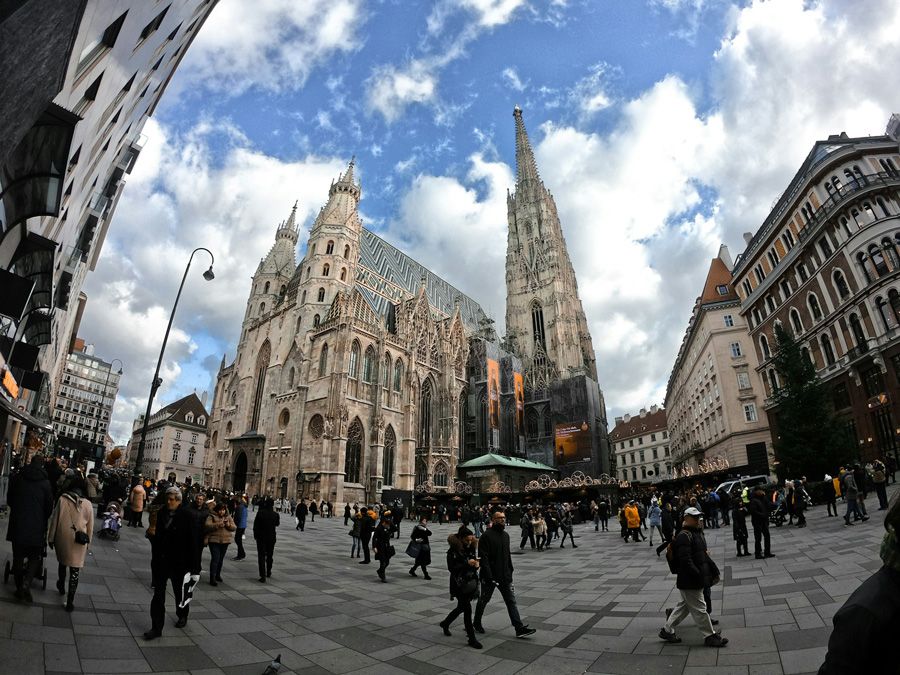
Is there a better combo than a cup of coffee and a croissant? If you said no, then you’re really going to love Vienna, and its curious relation, if legends are to be believed, with both. The modern croissant originated from the Viennese kipfer during the Ottoman siege. Vienna’s relationship with coffee, legend has it, also began when Ottoman troops retreated from the city in 1683, leaving behind sacks of coffee beans, a commodity then unknown to Austria.
Within years, coffeehouses had taken root across the city, and by the 19th century, they’d become something closer to institutions: the informal living rooms of intellectuals, artists, and revolutionaries. Sigmund Freud, Stefan Zweig, and Leon Trotsky were among those who held court at marble tables, beneath chandeliers, surrounded by newspapers from across Europe. The tradition proved resilient enough that Viennese coffee house culture was added to Austria's National Inventory of Intangible Cultural Heritage in 2011.
Find available reward seats with British Airways and Iberia.
One of the best things about a Viennese café is that nobody expects you to hurry. Your coffee arrives on a silver tray with a glass of water, the waiter disappears, and the table is yours for as long as you like. Order a Wiener Melange if it's your first visit, or an Einspänner if you fancy something richer, ideally with a slice of Sachertorte on the side. Historic cafés such as Café Central, Café Sacher, and Café Sperl have been serving coffee this way for generations, and thankfully, they've seen very little reason to change.
As city breaks with Avios flights go, Vienna is one of the most accessible: an off-peak Economy return from London costs just 26,000 Avios plus £2 per person.

Coffee arrived in Portugal from Brazil and Angola in the 18th century and has barely stopped flowing since then. In Lisbon, the drink of choice is the bica, a small espresso whose name is said to come from the way coffee flows from machine to cup. Locals drink one first thing in the morning, another mid-morning, and often another after lunch. At around €1 a cup, it's one of the few habits you'll happily pick up on holiday.
The literary café tradition runs deep in Lisbon and is perfect for bibliophiles. Fernando Pessoa held his tertulias (long, animated literary debates) at Café A Brasileira, which was opened in 1905 in the Chiado district. His bronze likeness still occupies a terrace table outside. Café Nicola on Rossio Square dates to the 18th century.
Find available reward seats with British Airways and Iberia.
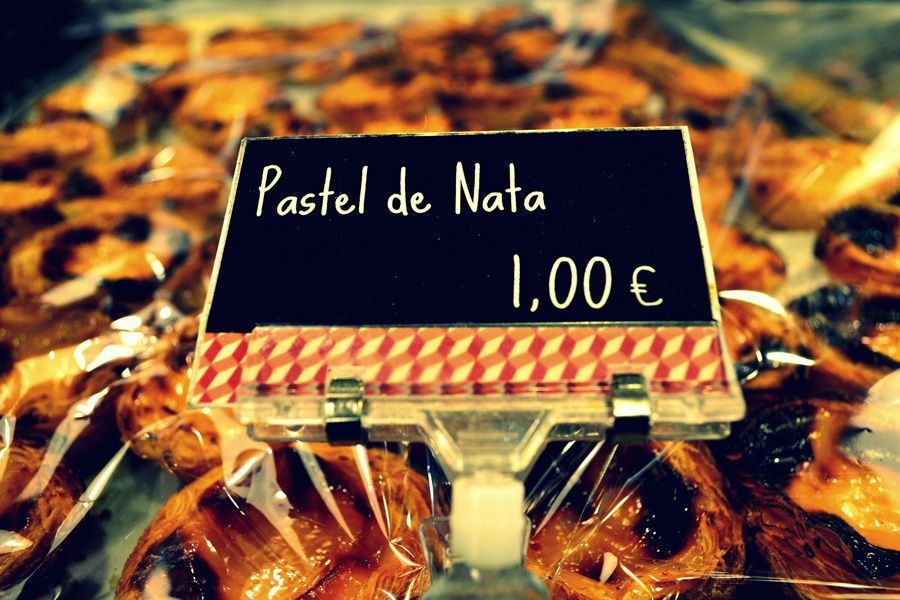
A more recent wave of speciality cafés has also emerged, bringing Australian-influenced brunch culture and Nordic-inspired pour-over methods to a city that’s been very good at espresso for a long time. Order a bica, add a warm pastel de nata, and try stopping at just one.
Getting there is easier than you might think too. An off-peak Economy return from London costs just 26,000 Avios plus £2 per person.

You could argue that the modern café got its start in Istanbul, and you'd have history on your side. The first coffeehouse in documented history opened in the Tahtakale district in 1554, and by the 17th century, the city had over 600, each functioning as a place to debate, play backgammon, listen to storytellers, and exchange political opinions. The Ottoman coffeehouses were so influential that they effectively exported café culture to the rest of Europe. The famed English coffeehouses that emerged in the 17th century borrowed plenty of inspiration from what the Ottomans had already built.
Find available reward seats with British Airways and Iberia.
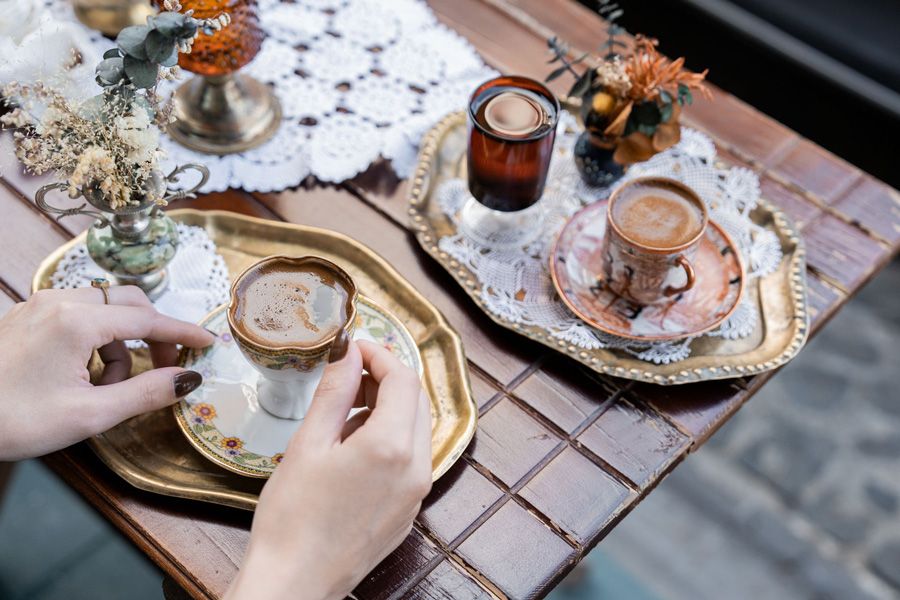
Turkish coffee culture earned UNESCO Intangible Heritage status in 2013, and the traditions it protects are still alive in Istanbul today. Turkish coffee is prepared in a cezve, a small copper pot, using an ultra-fine grind, and is served unfiltered with the grounds settling at the bottom of the cup. It comes with a glass of water and, often, Turkish delight.
Don't rush to clear your cup. The coffee grounds left behind are traditionally read for clues about the future, a practice known as tasseography. These days, there's even an app for it: Faladdin, with 5 million active users.
You can travel to Istanbul from London on an off-peak Economy return flight for 30,000 Avios plus £2 per person.

Pizza, Pompei, chocolates and now even coffee. Is there anything Naples doesn’t do well? The answer, it turns out, is a resounding no. The Neapolitan espresso is short, dark, and intensely aromatic, a product, locals insist, of the city’s uniquely mineral-rich water. It’s consumed quickly, standing at the bar, often in a single or two sips, several times a day. There are no pour-over menus, rotating single-origin offerings, or seasonal specials here. The standard is extremely high precisely because the parameters are fixed: perfect espresso, made the same way it has always been made, at a price (typically 70–80 cents) that makes it accessible to everyone.
Find available reward seats with British Airways and Iberia.
The café that best embodies all of this is Gran Caffè Gambrinus, which has been serving coffee on Piazza del Plebiscito since 1860. It’s here that the caffè sospeso, or the “suspended coffee,” was born: If you're having a good day, you pay for two coffees and drink one, leaving the second for someone who needs it more. The gran’s oversized brass Neapolitan coffee pot sits open at the front of the bar with receipts inside, waiting to be claimed. The gesture was born in Naples’ working-class cafés in the early 20th century and has since spread to coffee shops in over 30 countries.
An off-peak Economy return from London costs 30,000 Avios plus £2 per person.

Turns out, cobbled, quaint streets and riverside cafés aren’t the only perfect setting for a cup of coffee; Rolling red sands and open spaces also hit the spot. Fez may not be the first city to come to mind when you think of café culture, but that’s the charm. It’s a bit of a hidden gem for coffee lovers.
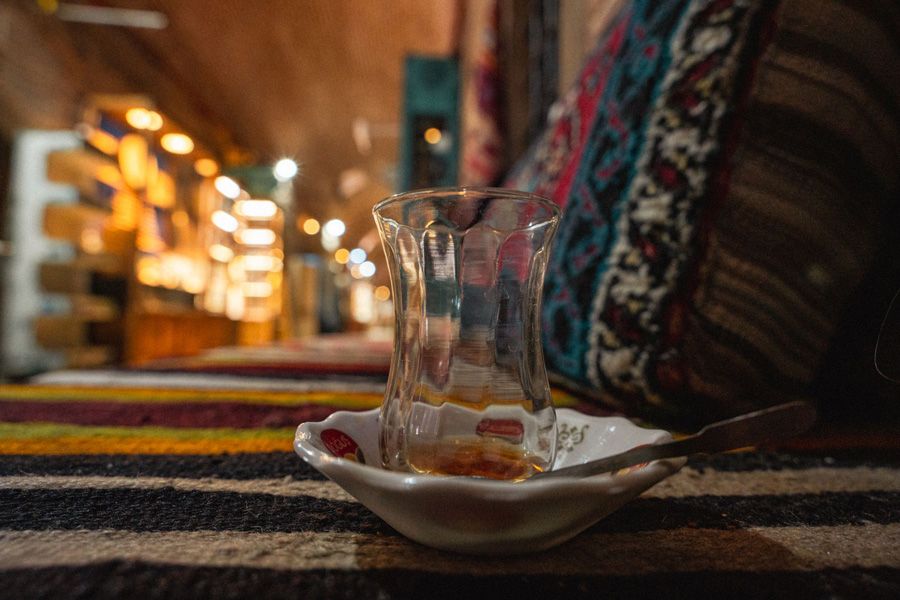
The first thing you'll notice is that almost everyone has a glass of mint tea in front of them. It's the drink that brings people together in Fez. The cafés are full of friends catching up, neighbours putting the world to rights, and visitors taking a break from the maze of the medina. People chat, linger, order another round, and stay as long as they like. Swap the tea for coffee, and it feels surprisingly similar to an afternoon in a café in Vienna or Lisbon.
Find available reward seats with British Airways and Iberia.
The medina itself is a UNESCO World Heritage Site and among the world’s most intact medieval urban environments, which makes wandering into a café here feel rather different from doing so in a modern European city.
Fly to Marrakech on an off-peak Economy return from London for 30,000 Avios plus £2 per person. Fez is a short onward transfer from there.

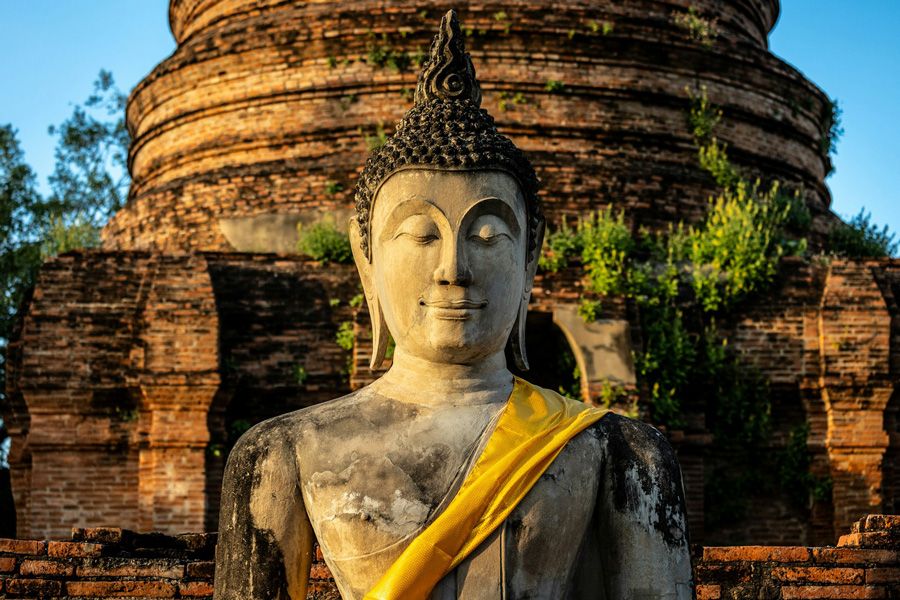
Just an hour by train from Bangkok, Ayutthaya feels a world away from the capital's pace. The former capital is best known for its ancient temples and UNESCO-listed ruins, but it's also developed a café scene in recent years that's worth exploring.
Many of the city's cafés are housed in beautifully restored wooden houses or sit beside the river. Renting a bicycle is still the best way to get around, and one of the pleasures of Ayutthaya is stopping for an iced coffee after a morning spent exploring centuries-old ruins. Sipping a perfect brew with the ruins visible from your seat is an unforgettable experience.
Find available reward seats with British Airways and Iberia.
If you're already planning time in Bangkok, Ayutthaya makes for an easy day trip, just an hour by train or around 90 minutes by car. You can fly into Bangkok on an off-peak Business Class return, which costs 220,000 Avios plus £599 per person.

If you enjoy cafés with a bit of history, Buenos Aires will spoil you. The city has more officially recognised historic cafés, known as bares notables, than perhaps any city outside Europe: over 70 are formally listed by the city for their cultural value, with interiors preserved and protected accordingly. Walk into one, and you'll often find marble tables, ageing wooden counters, and waiters who look like they've worked there longer than you've been alive.
No café captures that better than Café Tortoni. Open since 1858, it’s all stained-glass ceilings, dark wooden panels, and marble tables that have barely changed since Jorge Luis Borges and Carlos Gardel were regulars. Gardel, the tango legend, had his own table permanently reserved, and if those walls could talk, you'd probably never leave.
Find available reward seats with British Airways and Iberia.
Keep it simple when ordering. A cortado is the classic choice, ideally with a medialuna. Think of it as a croissant's sweeter, more indulgent Argentine cousin. You might tell yourself you're only having one. Good luck with that.
And don't be surprised if the café is still busy long after dinner. Coffee isn't just a morning ritual in Buenos Aires. The tradition of merienda, an afternoon coffee-and-pastry break, is alive and well, and many of the historic cafés stay open into the evening as the city slowly comes to life for another night.
If you want relatively cheap Business Class Avios flights on long-haul routes, the Argentine capital is the perfect target: an off-peak Business Class return costs 242,000 Avios plus £670 per person.

If you thought coffee culture in the U.S. is just big corporate chains with their giant versions of sugary concoctions, think again. Portland makes the strongest claim for North American café culture. The city has over 200 speciality coffee shops and around 80 independent roasters, a concentration that’s among the highest in the United States on a per-capita basis. Locals will happily queue for a meticulously brewed pour over, then spend another ten minutes debating where to find an even better one.
The ethos running through it is one of fierce independence: when Stumptown Coffee arrived in the 1990s and gave the city an alternative to chain coffee, it set a standard that the entire scene has been racing to exceed ever since. Roasters such as Coava, Heart, Roseline, and Nossa Familia now operate with the same kind of direct-trade, single-origin focus that defines Melbourne’s best cafés.
Find available reward seats with British Airways and Iberia.
What makes Portland interesting as a café travel destination is the integration of coffee into neighbourhood life, and part of the fun is exploring different neighbourhoods. The Pearl District is full of modern cafés, Hawthorne Boulevard is lined with independent favourites, and in the Alberta Arts District, it's not unusual to stumble across an art show while you're waiting for your coffee.
You can get off-peak Business Class British Airways Avios flights to Portland for 198,000 Avios plus £499 per person.

India may be synonymous with tea, but don't make the mistake of overlooking its coffee culture. Chennai is definitely on the list of the world’s most historic coffeehouse cities. Coffee is a ritual that’s remained essentially unchanged here for a century.
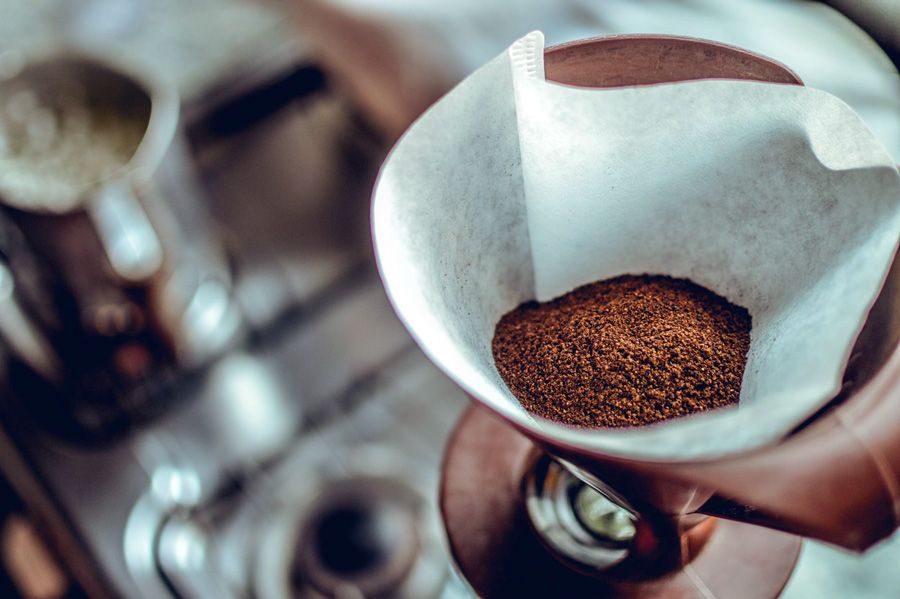
The city's signature drink is filter kaapi, made using a simple two-chamber metal filter that slowly brews a rich decoction of coffee and chicory. That concentrate is mixed with hot milk and sugar, then poured dramatically from a tumbler into a dabara and back again from arm's length. The pouring cools the coffee, creates its trademark frothy top, and brings out the flavour. Half the fun is watching it being made. The process is as much about performance as it is about preparation.
Find available reward seats with British Airways and Iberia.
A cup of kaapi is rarely enjoyed on its own. It's usually paired with idli, dosa, or vada in tiffin houses where the menu hasn't changed much in decades, and neither has the pace. Saravana Bhavan, Sangeetha, New Woodlands: these are not destination cafés in the Instagram sense, but they’re deeply embedded in daily life in a way that most cafés elsewhere are not. Everyone from office workers to grandparents seems to have been coming for years. Serving a guest a cup of kaapi is a basic cultural act of hospitality in Tamil Nadu. The café is simply where that ritual extends into the public domain.
An off-peak Business Class return from London costs 198,000 British Airways Avios plus £499 per person.
Affiliate Disclaimer
Reward Flight Finder (RFF) may receive a commission if you book or purchase through some of the links on this page. This does not affect the properties or services we feature or how they are presented.
We aim to provide accurate and up-to-date information, however, prices, availability and terms change frequently. You should always check the official website of the property or provider directly for current prices and booking terms before you book.