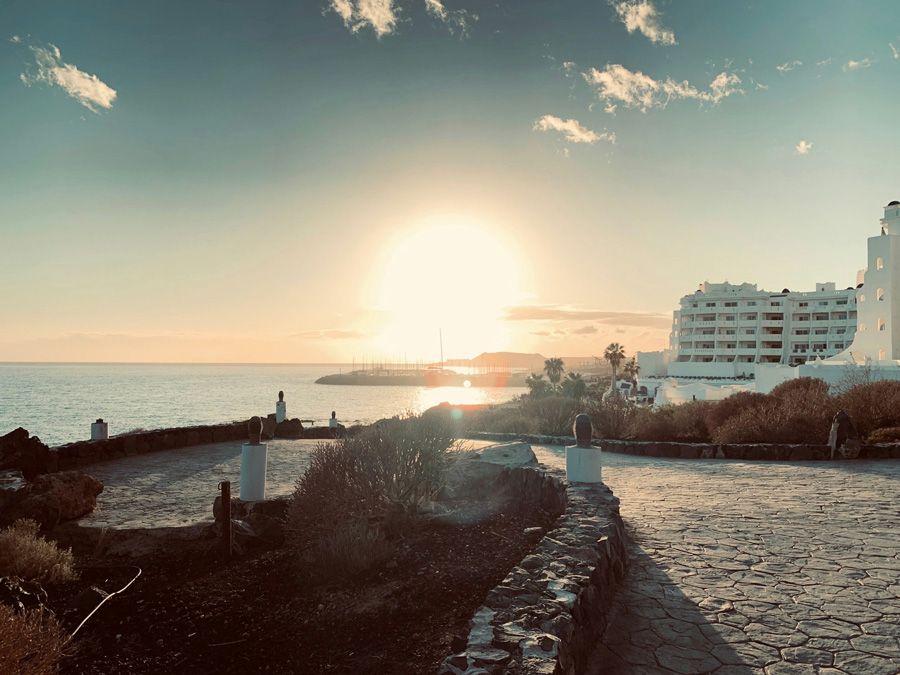
Tenerife is the safest bet for a bit of European winter sun. You’ll find temperatures of around 18–23°C, and the south is where you want to be if sunshine is the priority. The north is greener and prettier in places, but it also gets more clouds.
Then there’s Teide National Park, which is what stops Tenerife feeling like somewhere you’ve gone simply to sit by a pool. Mount Teide is Spain’s highest active volcano at 3,718 metres, surrounded by lava fields, craters, and a lunar landscape. You don’t need to tackle the summit to make the trip worthwhile.
It takes a little more planning to reach Masca these days. Since April 2025, traffic restrictions have meant most visitors need to take the official bus from Santiago del Teide rather than drive themselves.
Search BA Reward Seat Availability
Find available reward seats with British Airways and Iberia.
Passenger
1
Top Tips
The Teide cable car only gets you as far as La Rambleta at 3,555m. If you want the actual summit at 3,718m, you need a separate permit for the PNT 10 Telesforo Bravo trail. It costs €15 for non-residents and needs to be booked in advance through Tenerife ON. Do not turn up at the cable car station expecting to sort it there.
Teide has its own weather system, and whatever is happening by the pool tells you very little about what’s happening at 3,500 metres. Check the live conditions before leaving. A whiteout at the top is the island's most common disappointment.
Siam Park is one of the few water parks we’d actively recommend building into a trip. Winter is arguably the better time to go too: fewer queues, fewer crowds, same ridiculous slides.
Gran Canaria is often bundled with Tenerife as though the two were interchangeable. They’re not. Gran Canaria is smaller and has more variety. Travellers and guides alike describe it as a "miniature continent." You’ll find golden dunes in the south, a proper city in Las Palmas, and a surprisingly rugged interior of peaks, ravines, and mountain villages.
The obvious winter-sun choice is Maspalomas in the south. It’s a stretch of dunes running into the Atlantic, with temperatures that reach the low 20s in winter, and there’s enough hotel and restaurant choice to make an easy week of it. However, Las Palmas is the better bet if you want something less resort-y. Las Canteras is one of Europe’s best urban beaches, and the food scene is much better than Gran Canaria’s package-holiday reputation would have you believe.
The real mistake is staying on the coast for the whole trip. The island is much more interesting in its interior. You’ll find the volcanic monolith of Roque Nublo, Gran Canaria's most recognisable landmark, a very manageable day out via a moderate 7.4km round-trip hike.
You can even see Teide across the water on Tenerife on a clear winter day. Pair the hike with lunch in Tejeda below, and you’ve got a much better day than another afternoon arguing over sunbeds.
Search BA Reward Seat Availability
Find available reward seats with British Airways and Iberia.
Passenger
1
Top Tips
Book your Roque Nublo access online before you go. The old parking lot at the trailhead is permanently closed. Plan to park at Cruz de Los Llanos and walk around 5km return to the monolith.
Maspalomas dunes are best in early morning, before the hotels empty onto the beach and while the light and shadows are at their most dramatic.
Las Palmas' Vegueta neighbourhood has the best concentration of restaurants and bars for an evening meal. The tourist-facing strip around the beach is not where the good cooking is.
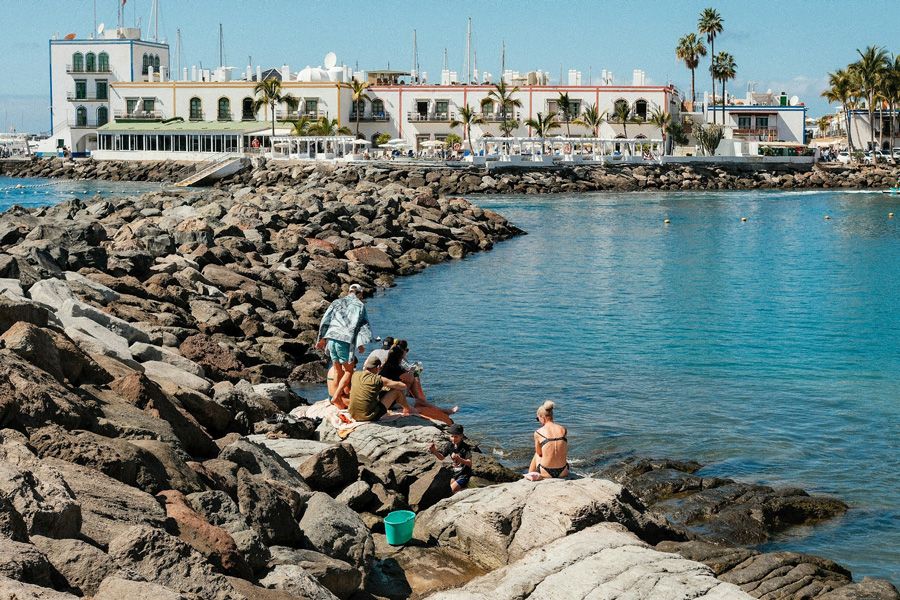
Puerto de Mogán in the southwest has a small harbour of canal houses and colourful bougainvillaea. It has a Wednesday market and is a good half-day trip from the south coast resorts.
Mountain temperatures at Roque Nublo can be 10°C lower than at the coast. Take a warm layer even if it is T-shirt weather at the beach.
This is one of the more underrated short-haul options. Daytime temperatures are around 19-22°C, the light in the morning and late afternoon has a quality that surprises first-time visitors, and the city is more manageable than in the summer months, when the heat is punishing and the crowds are at their worst.
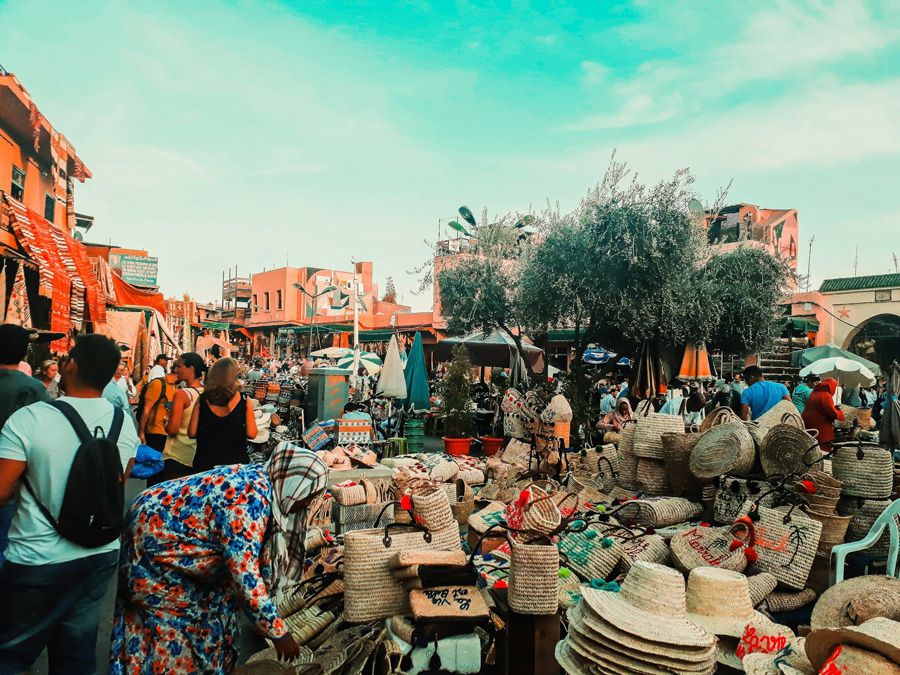
Start with the Medina and accept early on that you will get lost. The souks spill out from Djemaa el-Fna in every direction, with streets specialising in spices, leather, jewellery, lamps, rugs, and just about anything else that can be bargained over. Google Maps is only moderately helpful here, so treat navigation as part of the entertainment.
The Jardin Majorelle is the famous one, and yes, it’s busy, but the cobalt-blue buildings and immaculate gardens are a must-visit. Entry is ticketed, so make sure to book ahead. The Ben Youssef Madrasa is even better: a beautifully restored sixteenth-century Islamic school full of carved cedar, zellij tiles, and quiet courtyards that feel a world away from the medina outside.
Where you stay matters a lot in Marrakech. A riad inside the old city walls gives you a better sense of place than a generic resort on the outskirts. You get courtyards and rooftop terraces, and wake up to the call to prayer rather than traffic outside your window.
Find available reward seats with British Airways and Iberia.
Passenger
1
Top Tips
The Djemaa el-Fna square changes completely between day and evening. The daytime version has snake charmers and juice sellers; the evening version has dozens of food stalls and a completely different energy. Try to visit at both times.
Negotiate prices in the souks before buying. The opening price is a starting position, and most vendors expect the exchange.
Most riads will send someone to meet first-time guests at a nearby landmark. The medina's streets are difficult to navigate on a first visit, so take them up on it.
Off-peak return Economy reward seats from London cost 30,000 Avios plus £5 per passenger. At three and a half hours from London, Marrakech is one of the shortest trips on the Avios network that still feels like a proper change of scene. Winter sun holidays to Morocco combine good weather with manageable crowds, which makes the timing well-suited to a short break.
Malta
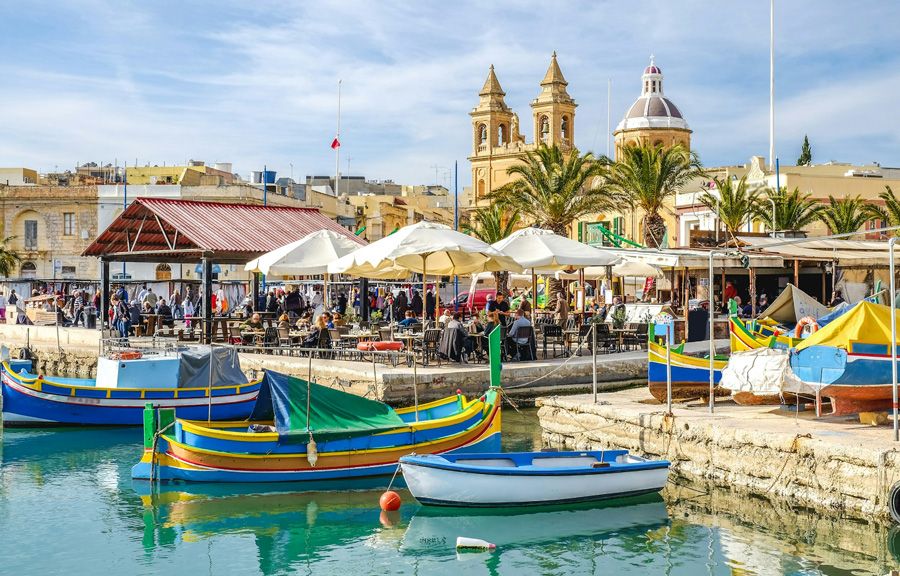
A winter break doesn’t have to involve a beach. Temperatures in Malta are around 15-17°C in the winter months, which rules out swimming but is perfectly comfortable for walking around one of Europe's most historically dense small countries. Malta has been occupied by Phoenicians, Romans, Arabs, Normans, the Knights of St John, Napoleon, and the British, and most of them left visible evidence. The result is an extraordinary concentration of things to look at on an island just 27km long and 14.5km wide.
The Three Cities across the Grand Harbour, Birgu, Senglea, and Bormla, are quieter than Valletta, face south to catch the winter sun on their limestone walls, and have a lived-in quality that the more visited parts of the island can lack. The Mdina is an old walled capital in the island's centre, with a population of a few hundred and a medieval atmosphere that makes the 30-minute drive from Valletta feel worth it.
Don’t miss the Hal Saflieni Hypogeum, a prehistoric underground burial complex dating to around 3000 BC and now a UNESCO World Heritage Site. Only 80 visitors are admitted per day in groups of 10. Tickets cost €35 for adults in advance and must be booked directly through Heritage Malta; dates fill up weeks or months in advance. This is the one booking to make the moment your Malta dates are confirmed.
Search BA Reward Seat Availability
Find available reward seats with British Airways and Iberia.
Passenger
1
Top Tips
The Three Cities are a half-day trip you can easily combine with a harbour cruise from Valletta. The boat gives the best view of both sets of fortifications.
The savoury Pastizzi pastry is sold at pastizzeriji across the island for very little money. Eat it at every opportunity.
Hire a car on arrival if you’re planning to visit Gozo. The island is small enough to cover most of it in a day, and the inland villages and coastal roads are difficult to reach by public transport.
Car hire in Malta is at its cheapest in winter, with rates dropping to as low as €6 per day. Worth considering for anyone planning to travel beyond Valletta.
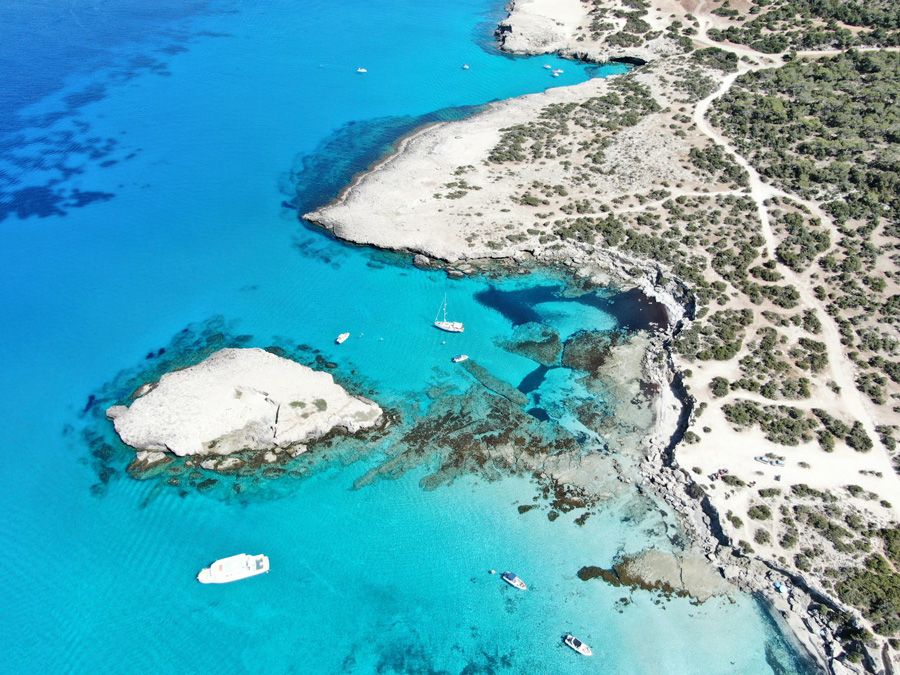
Paphos feels like a different place in winter. The crowds thin out, prices ease off, and temperatures of around 16–18°C are still comfortable for sightseeing or a long lunch outside. The UNESCO-listed sites are still there in winter, just without the summer crowds getting in the way.
The Kato Paphos Archaeological Park is a UNESCO World Heritage Site that covers centuries of history, with monuments dating from the 4th century BC to the Middle Ages, though the real highlight is the Roman mosaic floors in the Houses of Dionysus and Theseus. These were discovered in 1962 and have been preserved under purpose-built shelters in the park. Entry is ticketed, and winter hours run from 8:30 am to 5 pm. The park is located in Kato Paphos, near the harbour and a short walk from the seafront. Try to visit in the morning, when the light is better for the mosaics. Allocate two to three hours.
Another one not to miss is the Tombs of the Kings, a UNESCO-listed necropolis of rock-cut tombs dating from the 4th century BC. Petra tou Romiou, the sea stack associated in Cypriot mythology with the birth of Aphrodite, is a short drive south and is best in the late afternoon light. Limassol has the strongest restaurant scene in Cyprus. The Troodos Mountains are an hour north and receive snow in winter.
Search BA Reward Seat Availability
Find available reward seats with British Airways and Iberia.
Passenger
1
Top Tips
Explore the Akamas Peninsula by 4x4 or on foot. The coastal trails are rough, and the best spots are not accessible by an ordinary car.
Petra tou Romiou is photogenic in the late afternoon when the light is behind you. It’s a short stop, but worth including on a coastal drive.
Halloumi quality varies. The local dairy shops and village markets sell it fresher than supermarket versions.
Try to take a separate evening trip from Paphos to explore Limassol. The drive is around an hour, and the restaurant and bar scene there is more developed than in Paphos itself.
Some links in this article are affiliate links. If you make a booking or purchase through them, Reward Flight Finder may receive a commission at no extra cost to you. Our recommendations remain editorially independent.
 Kayleigh